
For most of the last century, the economy ran in a straight line. Take raw materials, make something, use it, throw it away. That linear model assumes resources are endless and landfills are free, but neither is true anymore. A circular economy is the alternative, and it is fast becoming the way serious companies think about materials, cost, and risk.
In a circular economy, materials never really become “waste.” They stay in use as long as possible, get recovered at the end of a product’s life, and feed back into new production. Aluminum is a classic example. A beverage can collected today can be melted, reformed, and back on a shelf in a matter of weeks, using a small fraction of the energy it took to produce the aluminum from raw ore. That cycle can repeat indefinitely without the metal losing quality. In the linear version, the same can gets buried after one use, and a fresh batch of ore has to be mined to replace it.
A circular economy runs on three habits. First, design and buy for longevity so products and materials last. Second, recover everything of value, whether that is metal, plastic, electronics, or byproduct, instead of discarding it. Third, put those recovered materials back into the supply chain so they displace virgin resources. Do all three at scale, and you cut carbon, lower costs, and take pressure off landfills. Skip any one, and the loop springs a leak, because material that gets recovered but never reused is just waste with an extra step.
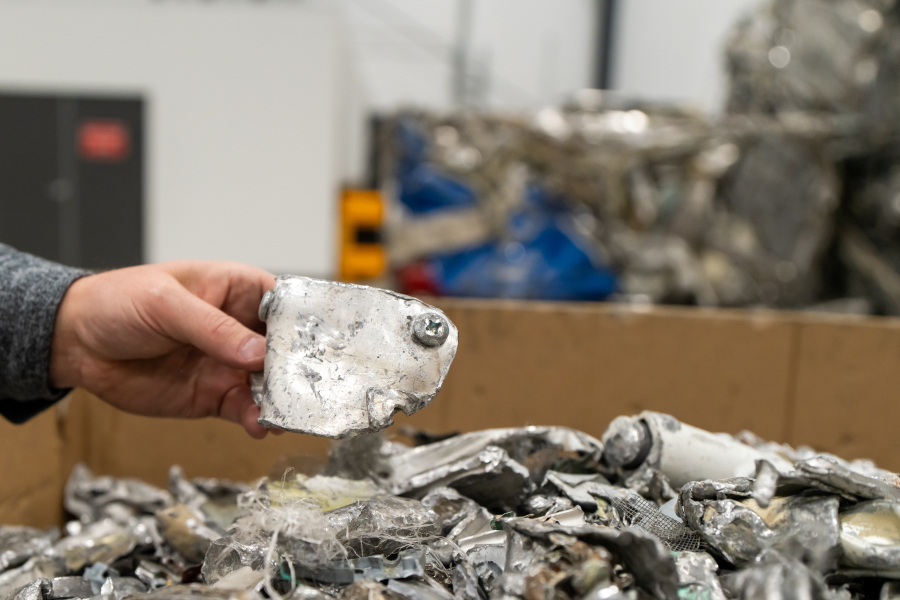
Plenty of organizations want to be circular. Far fewer have the infrastructure to actually do it. Closing the loop takes collection, sorting, processing to a usable spec, and a market that will buy the recovered material. That chain of capabilities rarely lives within a single company, and that gap is where most sustainability plans stall. The will is there, but the material has nowhere practical to go. Circularity gets real only when every link in the chain exists and connects.
Schupan has been doing circular work since 1968, long before it had a fashionable name. Across our business units, we run almost every step of the loop. We recycle beverage containers and industrial scrap, recover value from retired electronics, trade recovered commodities into global markets, and supply manufacturers with material processed to spec. Because those capabilities sit under one roof, material that enters our system in one form can leave it as a usable input for the next producer instead of as waste. In practice, a partner does not have to line up a half-dozen vendors to close its own loop.
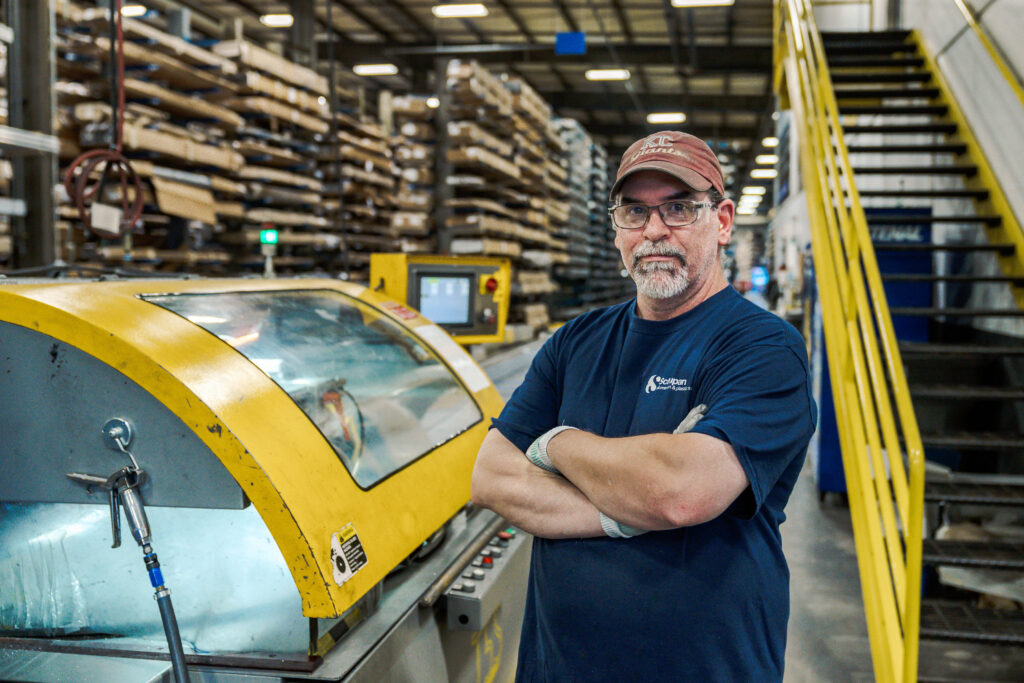
Circularity is an operational story as much as an environmental one. Companies that recover and reuse materials are less exposed to price swings in virgin commodities, better positioned to hit ESG and diversion targets, and often able to turn waste disposal from a cost center into a revenue stream. The businesses that treat their “waste” as a resource tend to build more resilient supply chains, and increasingly, they are the ones winning contracts that come with sustainability requirements attached.
The circular economy is not a single program you buy. It is a way of running operations. It starts with one question: what happens to our materials at the end of their life? And it gets better every time the answer becomes “they go back into use.” That is the loop we help our partners close, one material stream at a time.