
Titanium is not strictly stronger than steel, but it does offer a vastly improved strength-to-weight ratio. Utilized in surgical tool production, aerospace applications, and medical devices, titanium alloys match or exceed the tensile strength of steel alloys, and often weigh about half as much.
The best material for your project depends on the specific characteristics you need, such as excellent corrosion resistance, greater structural integrity, higher hardness, or strong thermal properties. So, in this post, let’s see what we can suss out about these extremely versatile materials.
Titanium offers way better corrosion resistance than steel, including most stainless steel. It forms a TiO2 barrier that helps to avoid oxidation, offers high acid resistance, and provides near-total immunity to saltwater. Because it is highly corrosion-resistant, titanium is an excellent option when your project involves marine environments, chemical processing, dental implants, and other applications where corrosion resistance is beneficial.
Titanium has a higher melting point than steel. Titanium alloys melt at 3,000°F, while stainless steel melts at about 2,600°F, so titanium withstands extreme temperatures much better. As a result, it’s often the right metal for aircraft frames, spacecraft, high-powered turbines, and defense applications.
As we said earlier, titanium alloys weigh about 45% less than steel, which allows them to offer a much higher strength-to-weight ratio than stainless steel. Titanium’s density of 4.51 g/cm³ is significantly lower than steel’s average of 7.95 g/cm³. So, when weight reduction is key to your application, it’s likely better to opt for a light metal like titanium.
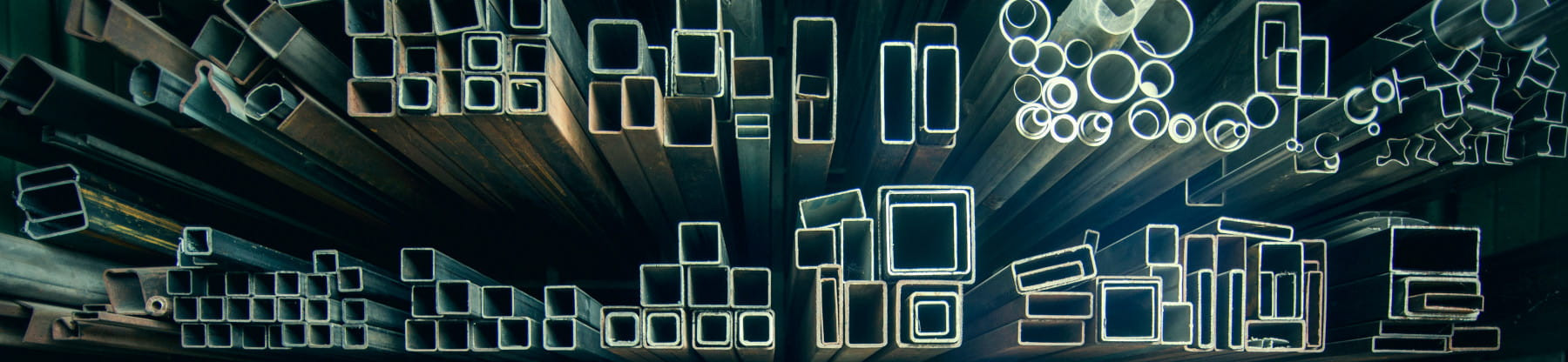
As we said earlier, titanium alloys weigh about 45% less than steel, which allows them to offer a much higher strength-to-weight ratio than stainless steel. Titanium’s density of 4.51 g/cm³ is significantly lower than steel’s average of 7.95 g/cm³. So, when weight reduction is key to your application, it’s likely better to opt for a light metal like titanium.
If you’re still unsure about whether titanium, steel, or another material is best for you, be sure to reach out to Schupan. Working across 75 industries worldwide, our materials trading team has the experience to help you make informed, cost-effective decisions. Whether you’re weighing the benefits of stainless steel or debating between titanium grades, we’ll work with you to identify the exact material you need.